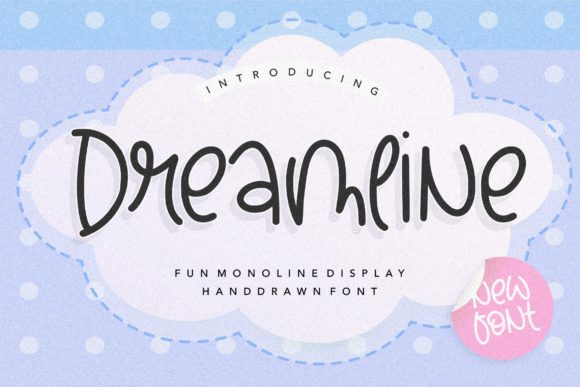
Dreamline: A Handwritten Font That Captures Joyful Creativity
There's something special about a typeface that can make a design feel instantly human. Dreamline is precisely that kind of creative font. It’s a jolly, friendly, and incredibly playful handwritten font that carries an infectious energy. Imagine the casual elegance of a personal note or the spontaneous flair of a signature on a piece of art. That’s the core of Dreamline’s appeal. It’s not just a set of letters; it’s a design asset that injects personality and warmth into any project it touches.
The Visual Personality of This Playful Typeface
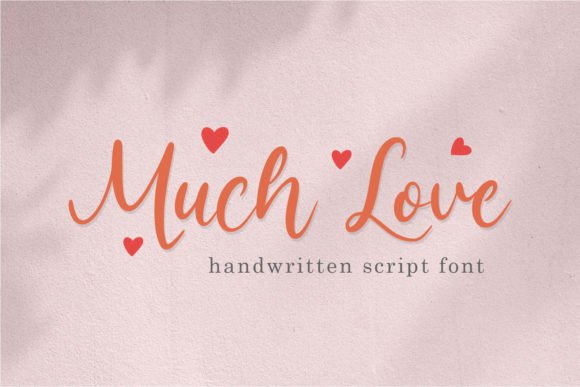
At its heart, Dreamline is a script font with a distinctly modern typography sensibility. Its letterforms are crafted with a natural, flowing rhythm, mimicking the strokes of a felt-tip pen or a soft brush. You’ll notice subtle variations in line weight and a gentle, organic baseline that avoids looking rigid or robotic. This isn’t a formal calligraphy script; it’s a handwritten font that feels approachable and authentic. The overall style is clean enough for legibility but charming enough to stand out, striking a perfect balance between casual and polished.
The true strength of this premium font lies in its versatility of mood. It can evoke a sense of celebration for a party invitation, a feeling of authenticity for a small business logo, or a touch of whimsy for a children’s brand. It’s the kind of display font that becomes the focal point, drawing the eye without overwhelming the entire design. Its character is in its consistency—not in rigid uniformity, but in a cohesive, happy vibe that runs through every glyph.
Where Dreamline Truly Shines: Practical Applications
Understanding a font’s personality is one thing; knowing where to apply it is where strategy comes in. Dreamline is a versatile tool, but it excels in specific contexts where its playful nature is an asset, not a distraction.
Branding and Logo Design
For entrepreneurs and small business owners, a logo design sets the tone. Dreamline is an excellent choice for brands that want to project friendliness, creativity, and approachability. Think boutique bakeries, independent coffee shops, handmade craft stores, lifestyle blogs, or creative consultants. It works beautifully as the primary wordmark or as a complementary accent alongside a clean sans serif font. Using Dreamline in your brand identity can immediately signal to your audience that your business is personal, passionate, and customer-focused.
Marketing and Social Media Graphics
In the fast-scrolling world of digital marketing, grabbing attention is everything. Dreamline’s distinctive style makes it perfect for social media graphics, Instagram quotes, promotional banners, and email headers. Its handwritten quality cuts through the visual noise of standard corporate fonts, making your content feel more relatable and engaging. It’s particularly effective for calls-to-action, sale announcements, or any message where you want to speak directly to your audience with a human voice.
Publishing and Editorial Design
Bloggers and content creators can use Dreamline to add personality to their editorial design. It’s fantastic for pull quotes, chapter titles, section headers, or the main title on a book cover. Paired with a highly readable serif font or sans serif font for body text, it creates a dynamic visual hierarchy that guides the reader’s eye and breaks up long blocks of content. For magazines, newsletters, or digital publications, it adds a layer of artistic flair that feels curated and intentional.
Packaging and Product Design
Packaging design is all about shelf appeal and brand storytelling. Dreamline can make a product stand out by adding a touch of artisanal charm. It’s ideal for product names, taglines, or descriptive text on labels for items like gourmet foods, cosmetics, candles, or stationery. The font’s friendly demeanor helps create an emotional connection with the consumer before they even try the product, suggesting care, quality, and a personal touch.
Personal and Commercial Projects
Beyond professional use, Dreamline is a joy for personal projects. Crafters and hobbyists will find it perfect for custom greeting cards, wedding invitations, scrapbooking, personalized gifts, and printables. Its commercial license also makes it a smart investment for designers creating templates, digital planners, or artwork for sale. The font’s inherent playfulness ensures that any project, whether for a client or for fun, feels special and thoughtfully designed.
Using Dreamline Effectively: A Designer’s Guidance
Choosing the right creative font is only half the battle. Using it effectively is what elevates a design from good to great. Here’s how to get the most out of Dreamline.
- Evaluate the Project Fit: First, consider your project’s tone. Is it serious, corporate, and formal? If so, Dreamline might not be the best primary choice. It thrives in contexts where warmth, creativity, and approachability are valued. Always align the font’s personality with the project’s core message.
- Master the Font Pairing: This is crucial. A handwritten font like Dreamline rarely works well for long paragraphs. Its strength is as a headline or accent font. Pair it with a neutral, highly legible typeface for body copy. A clean sans serif (like Montserrat or Lato) creates a modern, friendly contrast. A classic serif (like Garamond or Times New Roman) can add a touch of timeless elegance. The key is contrast in style but harmony in mood.
- Review Included Styles and Features: A good premium font often comes with more than just basic letters. Check if Dreamline includes stylistic alternates, ligatures, or swashes. These features allow for customization, letting you create unique letter combinations that add even more personality and prevent the text from looking repetitive. Also, verify its support for multiple languages if your audience is international.
- Prioritize Readability: While Dreamline is legible at larger sizes, test it thoroughly at the size you intend to use it. For small text on a busy background or in a lengthy URL, it might lose clarity. Use it for short, impactful text where its character can be appreciated without straining the reader’s eyes.
- Understand the Licensing: Before using Dreamline in any commercial project, ensure you understand its licensing terms. Most commercial fonts require a license for use in projects that generate revenue, such as logos, merchandise, or client work. Respecting the license supports the font designer and ensures you’re using the asset legally.
Building Consistency and Recognition
When used consistently, a distinctive font like Dreamline becomes a powerful part of your brand identity. Customers will begin to associate its friendly, handwritten style with your brand’s voice and values. This visual consistency across your website, social media, packaging, and marketing materials builds professionalism and trust. It turns a simple typeface into a recognizable signature, making your brand more memorable in a crowded marketplace.
Ultimately, Dreamline is more than just a display font; it’s a tool for connection. Its jolly, friendly nature invites engagement and breaks down barriers, making your designs feel more human and less corporate. Whether you’re designing a logo for a new startup, crafting social media content, or creating a heartfelt invitation, this enchanting typeface has the power to transform a creative idea into a true standout. By applying it thoughtfully and pairing it wisely, you can leverage its playful charm to create work that resonates deeply with your audience.