Baby Shita: A Sweet and Delicate Handwritten Font for Your Projects
There’s a specific kind of warmth that only a handwritten font can bring to a design. It feels personal, immediate, and human. Baby Shita is a typeface that embodies this quality with a particularly sweet and delicate touch. It’s not just another script font; it’s a design asset that carries a distinct personality—dainty, joyful, and inherently romantic. When you’re working on a project that needs to feel authentic and emotionally resonant, the right typeface can make all the difference. This creative font offers a solution that is both beautiful and highly functional for a range of applications, especially where a personalized, elegant aesthetic is key.
Understanding the Visual Character of Baby Shita
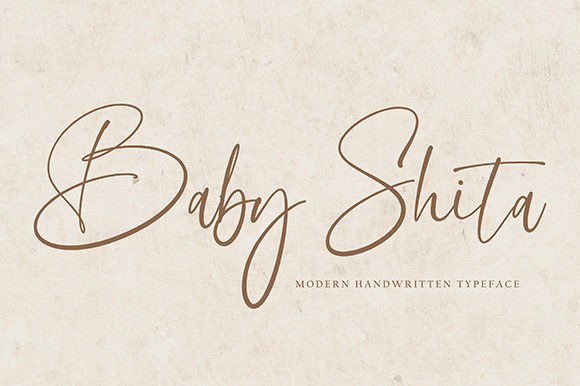
At its core, Baby Shita is a premium font designed in the handwritten style. What sets it apart is its execution. The letterforms are crafted with a light, flowing rhythm, featuring gentle curves and delicate strokes that mimic the natural movement of a pen or brush. This creates an organic feel that is soft without being messy. The personality of the typeface is unmistakably joyful and approachable, making it an excellent choice for projects that aim to connect on a personal level with their audience. Unlike more formal serif fonts or structured sans serif fonts, Baby Shita injects an immediate sense of authenticity and care into any layout.
Its visual appeal lies in this balance. It’s decorative enough to stand out as a display font for headlines or focal text, yet it maintains a surprising level of legibility in shorter passages. The consistent baseline and well-considered spacing ensure that words remain clear and easy to read, which is a critical consideration for any designer. When evaluating a font like this, you’re not just looking at individual letters; you’re assessing how they come together to form a harmonious and readable whole. Baby Shita performs admirably in this regard, making it more than just a pretty face—it’s a practical tool.
Where Baby Shita Truly Shines: Practical Applications
The true test of any typeface is how it performs in the real world. Baby Shita finds its sweet spot in projects that demand a romantic, personalized, or celebratory tone. Its strengths are most evident in the following areas:
- Wedding and Event Stationery: This is where Baby Shita feels most at home. Think wedding invitations, save-the-dates, RSVP cards, ceremony programs, and menu cards. The font’s dainty and joyful character perfectly captures the essence of love and celebration, adding a bespoke, crafted feel that generic fonts cannot match.
- Branding and Logo Design: For businesses in the lifestyle, beauty, floral, artisanal food, or boutique services sectors, Baby Shita can be a cornerstone of a brand identity. It works wonderfully for logo design, particularly for brands that want to communicate craftsmanship, care, and a personal touch. It can also be used on business cards, letterheads, and thank-you notes to reinforce that brand personality.
- Packaging Design: Product packaging for handmade goods, specialty cosmetics, gourmet treats, or gift items can be elevated significantly with this font. It helps tell a story of quality and attention to detail right on the shelf.
- Editorial and Publishing: In editorial design, Baby Shita can be used for pull quotes, chapter titles, or subheadings in magazines, blogs, and books focused on lifestyle, romance, or creativity. It adds a layer of visual interest and breaks up the monotony of standard body text.
- Digital and Social Media: The font translates beautifully to screen. Use it for social media graphics, Instagram stories, Pinterest pins, or website headers to create engaging, shareable content. Its friendly vibe is perfect for connecting with audiences on platforms like Instagram or Etsy.
- Crafting and Personal Projects: For hobbyists and crafters, Baby Shita is a fantastic resource. It’s ideal for creating custom quotes for framing, personalized gift tags, scrapbook elements, or even custom apparel designs. The possibilities for DIY projects are vast.
It’s important to note its role as a display font. While excellent for headlines and short text, it’s generally not suited for long paragraphs of body copy, where readability over extended reading is paramount. Pairing it with a clean, neutral sans serif font for supporting text is a classic and effective strategy in modern typography.
Making the Most of Baby Shita: A Designer’s Guide
Choosing a font is just the first step. Using it effectively is what separates good design from great design. Here’s how to approach working with Baby Shita:
Evaluate the Project Fit: Before you commit, ask yourself if the project’s tone aligns with the font’s personality. Is the goal to feel romantic, whimsical, and personal? If the answer is yes, Baby Shita is likely a strong candidate. If the project requires a sense of corporate authority or stark minimalism, a different typeface would be more appropriate.
Master the Font Pairing: This is crucial. Baby Shita’s expressive nature means it needs a calm, reliable partner. A timeless serif font like Garamond or a geometric sans serif font like Montserrat can provide excellent contrast and ensure overall readability. The key is to let Baby Shita be the star of the show for key elements, while the supporting font handles the heavy lifting of information.
Review the Included Styles: A professional premium font often comes with more than just the base letters. Check if Baby Shita includes stylistic alternates, ligatures, or swashes. These features can add even more flair and customization to your lettering, allowing you to create truly unique typographic compositions.
Test for Readability: Always test your chosen font in context. View it at the actual size it will be used, both on screen and in print if possible. Check how it looks in different colors and against various backgrounds. Ensure that the delicate strokes remain legible, especially at smaller sizes.
Understand the Licensing: If you’re using Baby Shita for a commercial font project—whether for a client’s logo, a product you sell, or monetized content—verify the license. Most premium fonts offer different tiers for desktop, web, and app use. Respecting the font designer’s terms is a fundamental part of professional practice.
Ultimately, Baby Shita is more than just a creative font; it’s a versatile piece of the design puzzle. When used thoughtfully, it can significantly enhance the emotional impact of your work, strengthen a brand identity, and engage your audience in a way that feels genuine and memorable. Its strength lies in its ability to tell a human story through letterforms, making it a valuable addition to any designer’s toolkit.