Diamond History: An Urban-Inspired Typeface for Bold Branding
Capturing the Energy of the Street
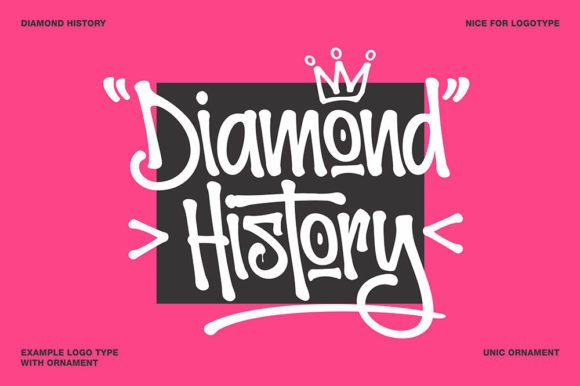
If you are looking to infuse a project with raw energy and authentic urban flair, the typeface you choose is your most critical asset. Enter Diamond History, a cool, graffiti-style display font that bridges the gap between street art and professional design. This isn't just another typeface; it is a statement piece. Its visual characteristics are defined by sharp, angular lines and a distinct sense of movement, mimicking the hand-sprayed precision of high-end muralists. The personality of this font is confident, edgy, and unapologetically modern. It appeals to a generation that values authenticity and visual impact over traditional, rigid typography. Whether you are a designer looking for a creative font to break the mold or a brand strategist aiming to capture a younger demographic, Diamond History offers a distinct voice that demands attention.
Strategic Applications in Modern Design
Understanding where a graffiti-style display font works best is key to using it effectively. While it is tempting to use a bold typeface everywhere, Diamond History shines brightest when used as a focal point. In logo design, this typeface can establish a brand identity that feels energetic and culturally relevant, perfect for streetwear labels, music festivals, or urban lifestyle brands. When it comes to packaging design, it adds a tactile, rebellious quality to products ranging from craft beverages to artisanal snacks.
For digital creators, the applications are vast. It is an excellent choice for social media graphics where you have only a split second to stop a user from scrolling. The high-contrast letterforms cut through the noise of a busy feed. In web design, it should be reserved for hero sections, banners, or distinct call-to-action headers rather than body copy. It also serves as a powerful tool in editorial design, particularly for magazine covers or article headers that need to convey a sense of subculture or counter-culture. Even for personal projects like custom apparel, merchandise, or hobbyist art prints, Diamond History brings a professional, polished edge to DIY creations.
Influencing Perception and Engagement
Typography does more than display words; it shapes how those words are perceived. The choice of Diamond History directly influences your audience's emotional response. Because it is a display font with distinct character, it enhances visual hierarchy immediately. It tells the viewer, "Look here first." This is crucial for audience engagement; a unique font style can make content feel more personal and less corporate, fostering a connection with the reader.
However, using a stylistic font like this requires a thoughtful approach to readability. While the individual characters are legible, long sentences set in a graffiti style can become difficult to scan. The strength of Diamond History lies in its impact as a headline or accent, not as a workhorse for body text. When used correctly, it elevates brand perception, suggesting that a brand is current, confident, and in tune with contemporary design trends. It creates brand recognition because the style is so memorable; once a customer sees it, they are likely to associate that distinct style with your specific brand identity.
Integrating Diamond History into Your Workflow
Adopting a new premium font into your toolkit requires practical evaluation. First, consider the font pairing. Because Diamond History is loud and expressive, it pairs best with something quiet and structured. A clean sans serif font or a classic serif font usually works best for body text, allowing the headlines to pop without overwhelming the reader. Avoid pairing it with other decorative styles like a script font or a handwritten font, as this will create visual chaos.
When evaluating if this is the right fit for your project, test it in context. Place the typeface against your brand’s color palette and existing imagery. Does it clash or complement? Review the included styles and glyphs; often, graffiti-inspired fonts come with alternates or swashes that can be used to customize the look further. Finally, ensure you are clear on the commercial font licensing. If you are a small business owner or entrepreneur, you need to ensure your license covers your specific usage, whether that is for a single client project, unlimited print runs, or digital distribution.
In the landscape of modern typography, standing out is a challenge. Diamond History provides a solution for those who want to move away from generic design assets and embrace a style with roots in urban culture. It is a versatile tool for the right project, offering a blend of attitude and artistry that can transform standard layouts into striking visual experiences.